
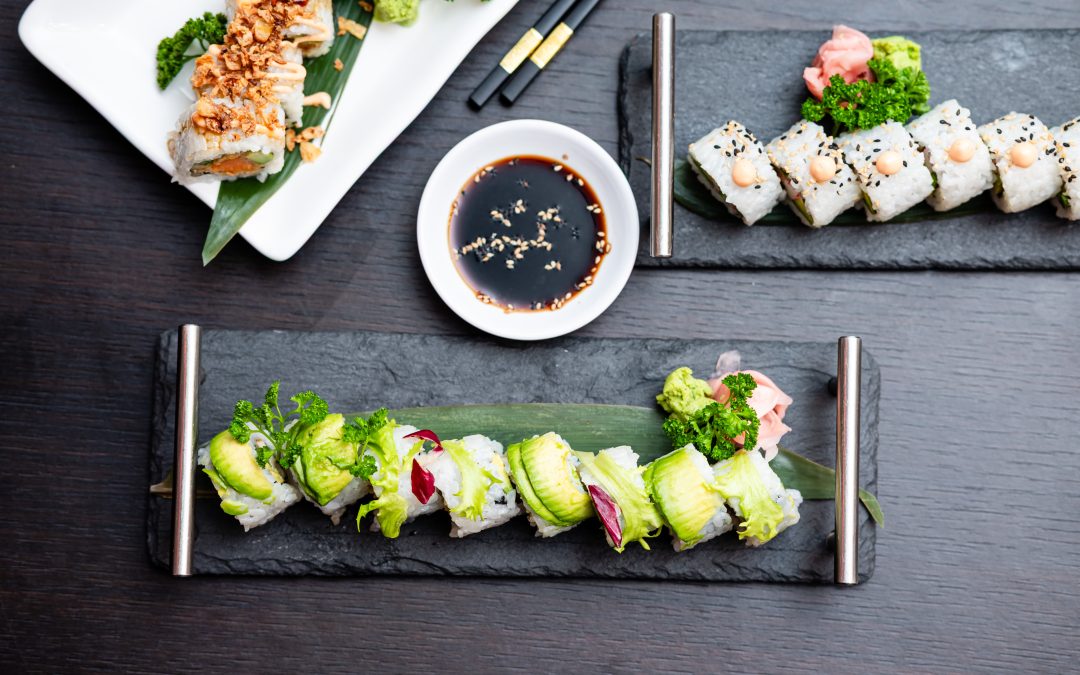
Inside Zing Sushi – A Blend of Tradition and Innovation
Introduction
Zing Sushi represents a modern evolution of Japanese dining, where traditional techniques meet contemporary fusion creativity. Instead of focusing only on authentic sushi craftsmanship, the restaurant combines classic Japanese elements with bold, modern flavors. This balance between tradition and innovation is what defines the Zing Sushi experience.
Traditional Roots in Japanese Cuisine
At its core, Zing Sushi still respects the foundation of Japanese culinary tradition. Sushi rolls, sashimi, and rice-based dishes remain central to the menu. These items are inspired by classic Japanese cooking methods that emphasize freshness, simplicity, and balance.
Even in a casual dining environment, Zing Sushi maintains key traditional elements such as properly seasoned sushi rice, carefully sliced zingsushi fish, and minimal yet complementary seasoning. These fundamentals ensure that the food still reflects its Japanese origins, even when presented in a modern style.
Modern Fusion Innovation
What sets Zing Sushi apart is its strong focus on fusion innovation. The restaurant is not afraid to experiment with flavors, textures, and presentation styles. This is especially visible in its specialty sushi rolls, which often combine multiple culinary influences.
Ingredients like spicy mayo, cream cheese, crunchy tempura flakes, and rich sauces are commonly used to enhance flavor complexity. These additions transform traditional sushi into a more dynamic and accessible dish for a wider audience.
Hibachi meals also reflect this fusion approach. While hibachi cooking has Japanese roots, Zing Sushi often adapts it to suit local preferences, using bold seasoning and generous portions to create a more satisfying dining experience.
A Menu Designed for Variety
Zing Sushi’s menu is intentionally diverse, offering more than just sushi. Customers can choose from hibachi plates, ramen bowls, udon noodles, and bento boxes. This variety allows the restaurant to cater to different preferences in a single dining space.
For example, a group of friends can dine together even if their tastes differ—one person may order sushi, another may choose hibachi chicken, and another may prefer a warm bowl of ramen. This flexibility is a key part of Zing Sushi’s appeal.
Presentation and Dining Style
Presentation plays an important role in the Zing Sushi experience. Dishes are often served with attention to color, arrangement, and visual appeal. Sushi rolls, in particular, are designed to look vibrant and appetizing, often featuring layered ingredients and decorative sauces.
The dining style is casual and approachable. Unlike high-end sushi restaurants that emphasize formal etiquette, Zing Sushi focuses on comfort and ease. This makes it suitable for everyday dining rather than special occasions only.
Balancing Quality and Accessibility
One of Zing Sushi’s strengths is its ability to balance quality with accessibility. While it may not offer ultra-premium sushi experiences, it provides consistent food quality at reasonable prices. This makes it appealing to students, families, and working professionals who want reliable Japanese-inspired meals without high costs.
Conclusion
Zing Sushi successfully blends traditional Japanese culinary foundations with modern fusion creativity. By combining classic sushi techniques with bold, innovative flavors, it creates a dining experience that is both familiar and exciting. This balance of tradition and innovation is what continues to define and strengthen Zing Sushi’s identity in the casual dining world.
Recent Comments